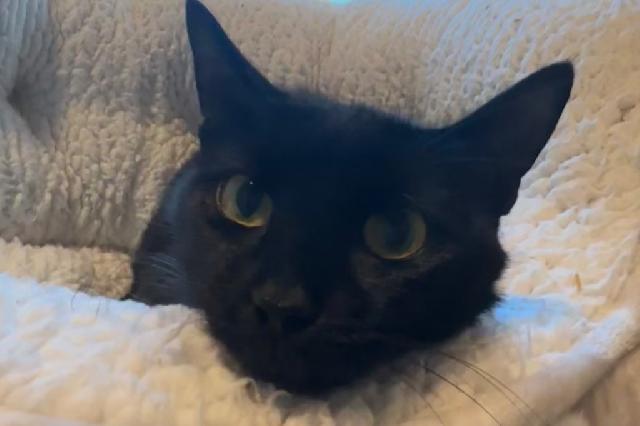

Every cat deserves to feel safe, comfortable, and loved, including cats facing serious medical challenges or nearing the end of their lives.
At SAFE Haven for Cats, our commitment to excellent feline care extends beyond the shelter and adoption. Through our Permanent Foster and “Fospice” programs, cats with complex medical needs can spend their days in the comfort of a home while continuing to receive veterinary care and support from the SAFE Haven team.
From 2018 through 2026, 58 cats have been part of SAFE Haven’s fospice program, with 19 currently in foster homes.
What Is Fospice?
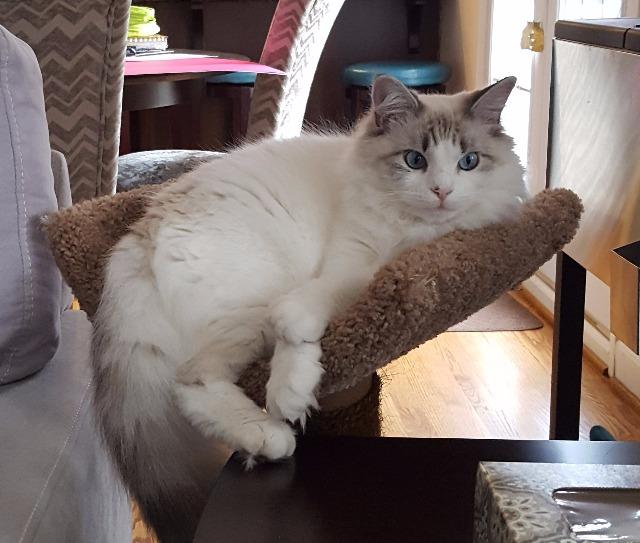 Fospice combines foster care with hospice care = Fospice Volunteers. It is designed for older cats and cats or kittens with serious medical conditions expected to live about 18 months or less. Instead of spending that time in the shelter, these cats can settle into a foster home where they get individual attention, familiar routines, and plenty of comfort.
Their foster families provide the home and the love. SAFE Haven continues to provide the medical expertise and resources. SAFE Haven supplies everything needed to care for the cat, including food, litter, bowls, bedding, toys, scratchers, a carrier, and medications. SAFE Haven handles all veterinary care, and our veterinary team continues to oversee medical decisions throughout the cat’s life. Fosters also have support from SAFE Haven’s foster coordinator and veterinary technicians when questions or concerns arise.
Expert Care, Right at Home
Every hospice cat is different, so we tailor care to their individual needs. Cats receive regular veterinary checkups, bloodwork, vaccines, and medications as appropriate. As a cat’s health changes, we may schedule additional appointments so our veterinary team can closely monitor symptoms and adjust care.
Many hospice cats also receive medication at home. That might be as simple as mixing a liquid medication into food, or it may involve more advanced care, such as administering subcutaneous fluids several times a week.
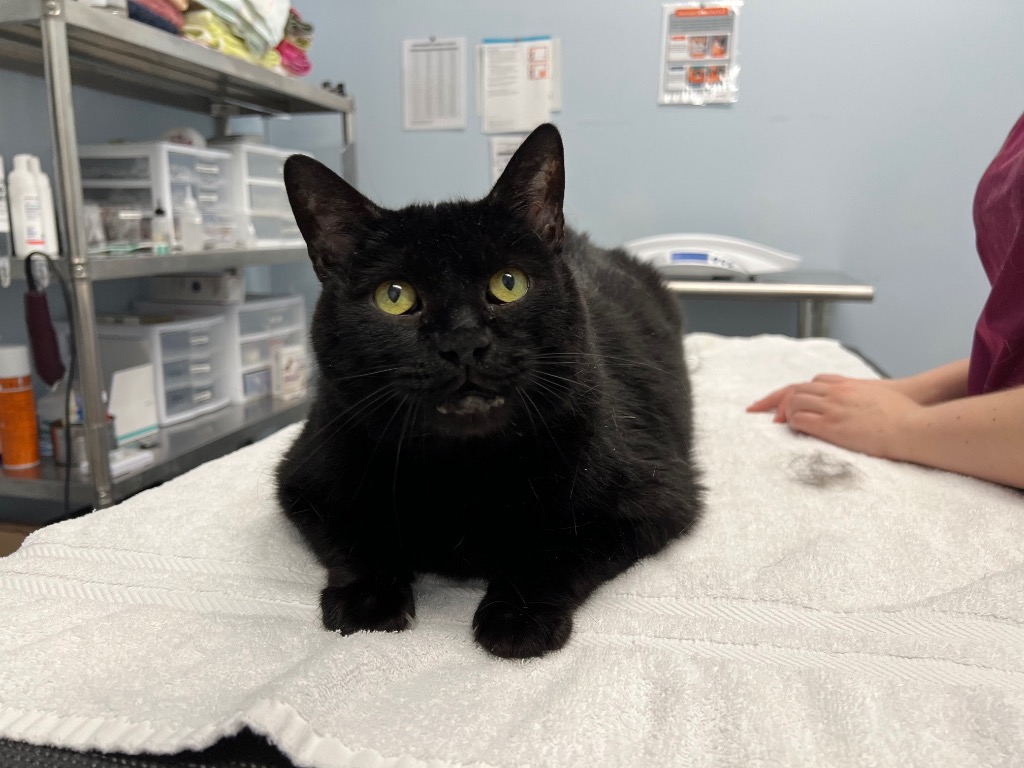 Fosters aren’t expected to arrive knowing how to do these things. SAFE Haven staff teach them. Our team demonstrates how to administer medications and treatments, provides instructions, and remains available to help.
Fosters maintain a medication log and stay in close communication with SAFE Haven so everyone involved has the information needed to make thoughtful decisions about the cat’s care. It is a partnership between a dedicated foster family and a team with extensive feline medical and caregiving experience.
When a Cat’s Needs Change
End-of-life care can come with difficult decisions, and foster families don’t have to navigate them alone. SAFE Haven helps fosters recognize signs that a cat’s health or quality of life may be changing. For cats whose conditions require closer monitoring, veterinary visits may become more frequent, and communication with the foster family may increase.
When a cat begins to decline, the goal remains the same: comfort, dignity, and quality of life.
Our veterinary team works with the foster family to determine the most compassionate path forward. That can include pain management and supportive care or, when a cat’s quality of life has significantly declined, humane euthanasia. Foster families can be involved in that process as much as they feel is right.
And sometimes, cats surprise everyone.
Cats who appear to have only a few months left in the shelter may thrive once they’re settled into a quiet, loving home. Some fospice cats have gone on to live for a year or longer than initially anticipated. It’s powerful to see what comfort, consistency, and individualized care can do.
Fospice and Permanent Foster: What’s the Difference?
SAFE Haven offers both Fospice and Permanent Foster placements. Both allow cats with special medical circumstances to live in homes with continued SAFE Haven support, but they serve different needs.
Permanent Foster is generally for cats unlikely to be adopted because of a terminal or lifelong medical condition, or because ongoing care costs could make traditional adoption difficult. These cats may still have many years ahead of them, but they remain part of SAFE Haven’s foster program for life.
Fospice focuses on older cats, or cats and kittens with serious medical conditions, who are approaching the end of their lives, generally with an estimated 18 months or less remaining.
In both cases, the goal is to give a cat the best possible quality of life.
Could You Be a Fospice Volunteer?
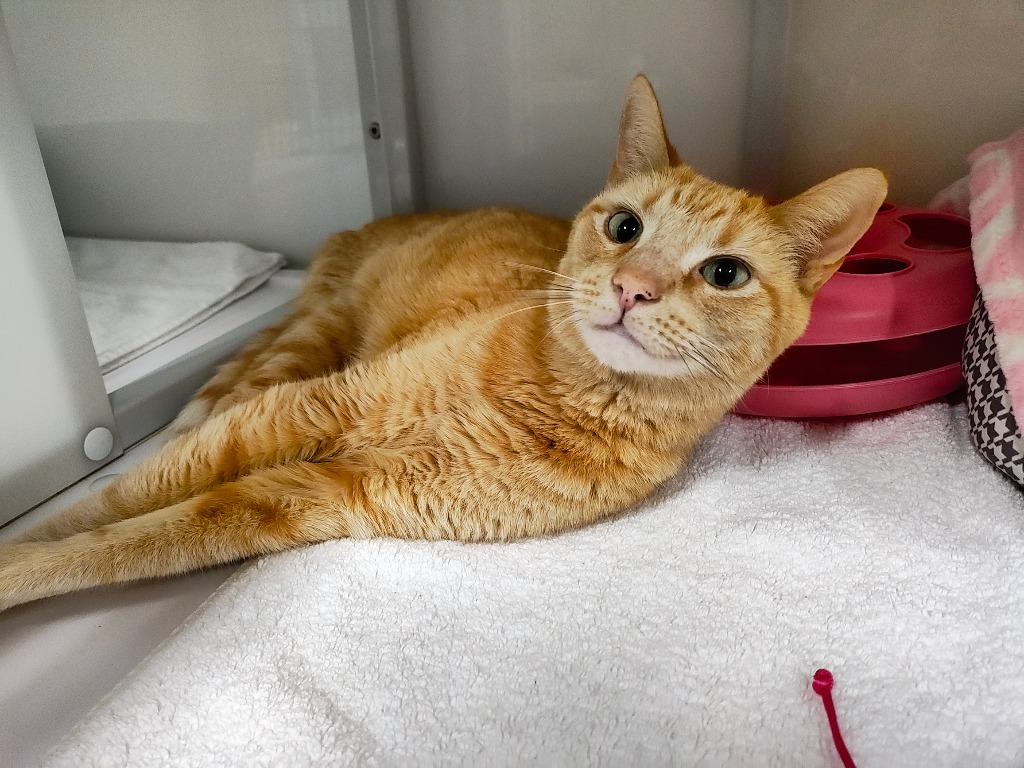 Fospice fostering is a special commitment. Unlike many foster placements, there isn’t a traditional adoption day at the end. A fospice foster agrees to care for their cat for the rest of that cat’s life.
The best fospice fosters are compassionate cat lovers who communicate regularly with SAFE Haven, watch for changes in their cat’s behavior or health, follow care instructions, and adapt as the cat’s needs change.
Most importantly, they’re willing to open their home and heart to a cat who needs a gentle place to land.
You don’t need to be a veterinary professional. You don’t need to know how to administer fluids or manage a complicated medication schedule to get started.